1. Check your local rules
Do this before you fall in love with a breed. One search — "your town + backyard chickens ordinance" — usually settles it in five minutes, and it is much cheaper than rehoming a flock later.
Most places that allow chickens at all allow three to six hens. The rules that bite people are rarely about the birds themselves:
- Roosters are frequently banned outright. You do not need one for eggs — see the breed directory for what a rooster actually does contribute.
- Setback distances. Many ordinances require the coop to sit a fixed distance from property lines or from a neighbour's dwelling — 3 m and 10 m are common numbers.
- Coop as "structure". Above a certain footprint your coop may need a permit like any shed.
- HOA rules override the town. A permissive city ordinance means nothing if your homeowners' association says no.
- Rental agreements. Check the lease before the coop arrives.
Almost every backyard-chicken complaint that reaches a council starts as an unhappy neighbour, not a broken rule. A heads-up conversation and a standing offer of free eggs resolves more disputes than any ordinance ever will.
2. Plan the coop first
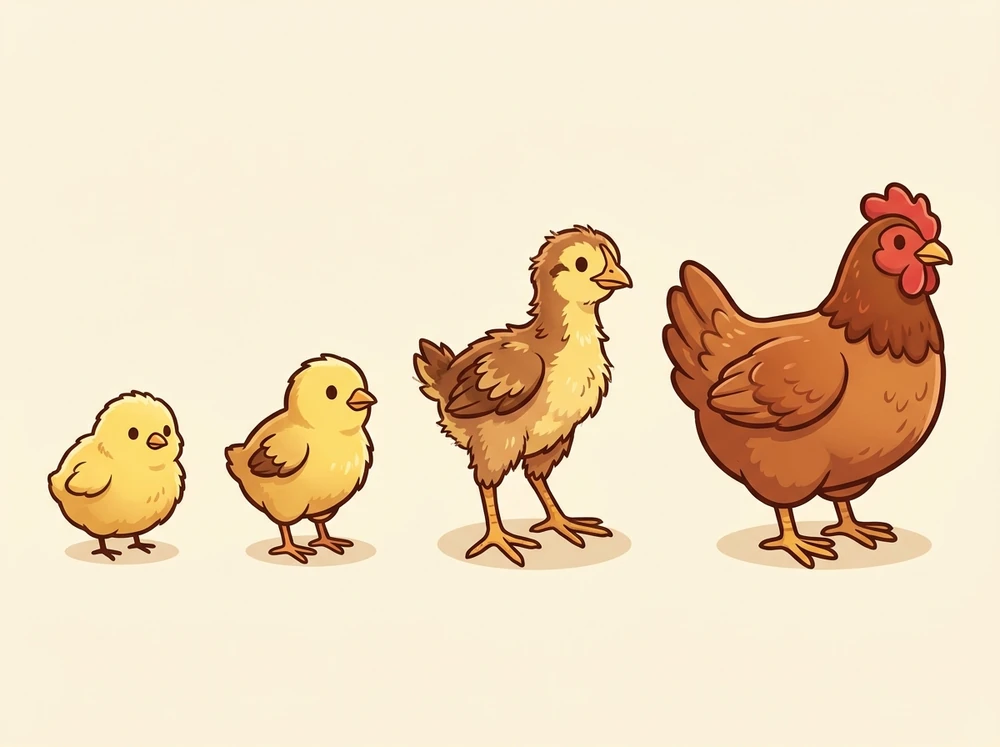
Build or buy the coop before the chicks arrive, not after. Chicks grow at cartoon speed — the fluffy thing that fits in your palm in March is a full-sized bird kicking bedding across your utility room by May.
The space maths
Per standard-sized bird, budget:
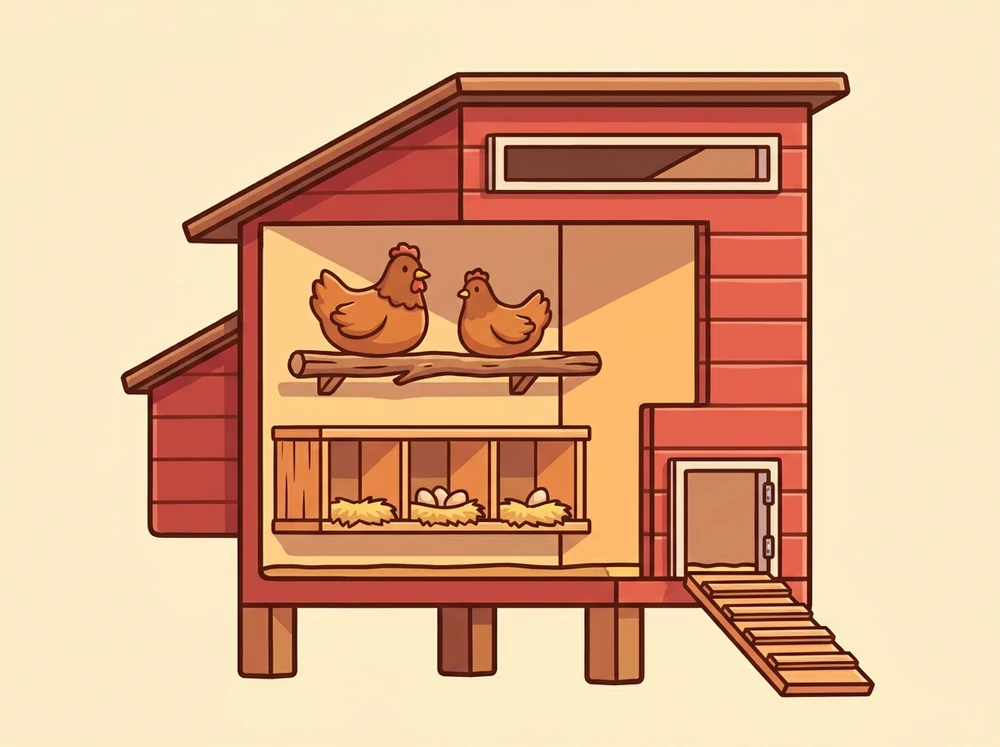
- ~0.4 m² (4 sq ft) inside the coop — the sheltered, lockable part
- ~1 m² (10 sq ft) of run — the outdoor space
- 25–30 cm (10–12 in) of roosting bar each
- One nest box per 3–4 hens — they will all queue for the same favourite one regardless, and ignore the others entirely
Bantams need roughly half of that. Crowding is the single most common cause of feather-picking, bullying and disease in a backyard flock, and it is much easier to over-build now than to extend later.
Non-negotiables
- Roosts higher than nest boxes. Chickens instinctively sleep on the highest available perch. If the nest boxes are the highest thing, they will sleep in them — and then poop in them all night, in the place your breakfast comes from.
- Ventilation without draft. Openings up high, above where the birds roost. This matters most in winter, and it is counter-intuitive enough that it gets its own section on the seasons page.
- Hardware cloth, never chicken wire. Chicken wire keeps chickens in. It does not keep anything out — a raccoon will tear through it and a weasel will walk through the gaps.
- A door you can actually reach into. You will be cleaning this thing every week for years.
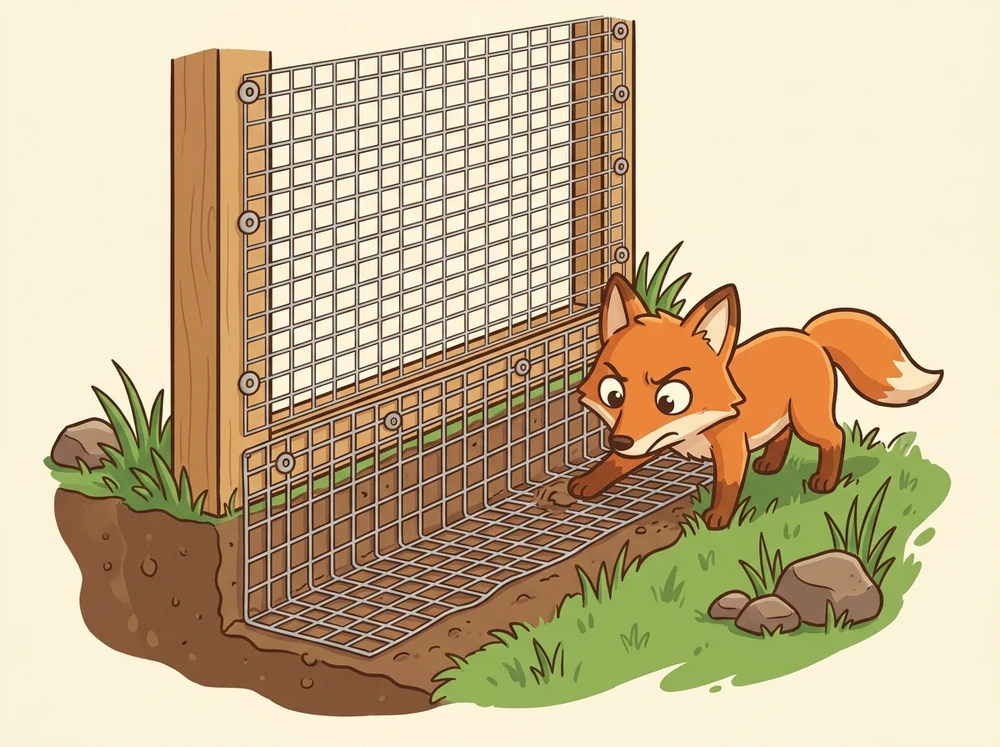
Raccoons open simple latches — use a two-step latch or a carabiner. Hawks take birds in broad daylight from open runs. Rats do not usually kill adult hens but they will take eggs, chicks and feed, and they arrive because of spilled feed. Dogs — including your own, and your neighbour's — account for a large share of backyard losses.
3. How many birds, and which
Chickens are flock animals. A single hen is a stressed, noisy, unhappy hen. Three is the practical minimum — it means the flock survives losing one bird without the survivor being alone.
Three hens of a decent laying breed produce roughly 12–15 eggs a week in season, which is more than most households expect.
Chicks, pullets, or hatching eggs?
| Option | Wait to first egg | Difficulty | Best for |
|---|---|---|---|
| Day-old chicks | ~18–22 weeks | Medium — 6 weeks of brooder care | Most first-timers. Cheap, widely available, and the birds are tame |
| Started pullets (14–20 wks) | Weeks | Easy — straight into the coop | Anyone who wants eggs this season, or is nervous about brooding |
| Hatching eggs | ~21 days + 20 weeks | Hard — incubation is fiddly | People who want the experience. Expect ~50% cockerels |
Ask for sexed pullets. "Straight run" means unsexed, which in practice means about half your birds will be cockerels — a problem if roosters are banned where you live. Sexing is around 90–95% accurate, so even then the occasional surprise crows at you in month four.
Pick two or three different breeds. It makes the birds easy to tell apart, spreads your risk across different temperaments, and gets you an egg-colour rainbow. The breed directory has thirteen birds with honest notes on each.
4. The brooder weeks (0–6)
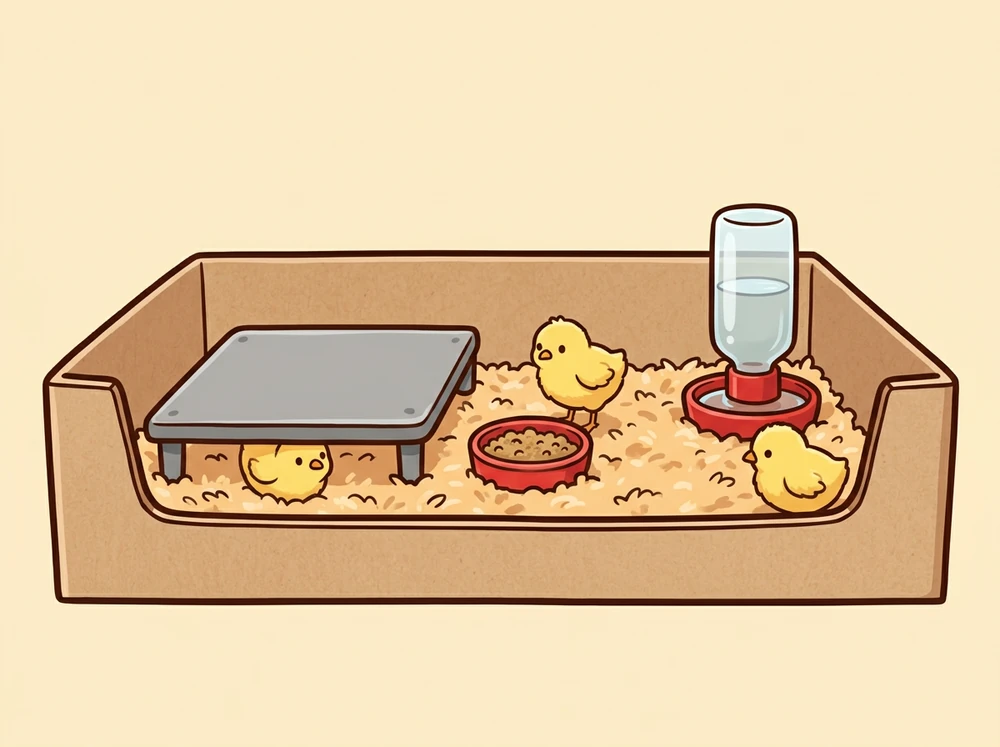
A brooder is just a draught-free box with heat, food and water. It does not need to be elaborate — a large plastic tote, a stock tank, or a cardboard box replaced when it gets grubby all work.
Heat, week by week
Chicks need about 32–35 °C (90–95 °F) under the heat source in week one, dropping roughly 3 °C (5 °F) per week until they match the outside temperature at around week six.
Do not obsess over the thermometer — read the chicks instead. They are a better instrument than any gauge:
- Huddled together directly under the heat → too cold
- Pressed against the far walls, panting → too hot
- Scattered around, some eating, some sleeping, some arguing → exactly right
Radiant heat plates sit low and the chicks go under them like they would go under a hen. Suspended heat lamps are the leading cause of coop and house fires in poultry keeping — the bulbs are hot enough to ignite bedding, and a single cable tie failing at 3 a.m. is all it takes. This is the one piece of gear worth spending on.
Food, water and the daily routine
- Chick starter crumble, 18–20% protein, available at all times. Nothing else is required for the first few weeks — details on the feeding page.
- Fresh water daily, in a shallow dish or nipple waterer. Chicks will kick bedding into anything open, and they can drown in a deep bowl — pebbles in the water dish fix both problems.
- Check for pasty butt daily in week one. Droppings dry and seal the vent, which is fatal if missed. Clean gently with a warm damp cloth.
- Give them a low perch from week two. They will start roosting on it almost immediately, and it builds the instinct you want on move-in day.
5. Move-in day (~week 6)
Once they are fully feathered — no fluff showing, real feathers over the whole body — and night-time temperatures are mild, they can move to the coop.
Then do the one thing that everybody skips and everybody regrets skipping:
Not the run — the coop itself. Three days and nights of being fed and watered in that box teaches them it is home. After that, they will put themselves to bed there every single night at dusk for the rest of their lives, and you will never have to chase a chicken into a coop again. Skip it, and you will spend a fortnight retrieving birds from a hedge after dark.
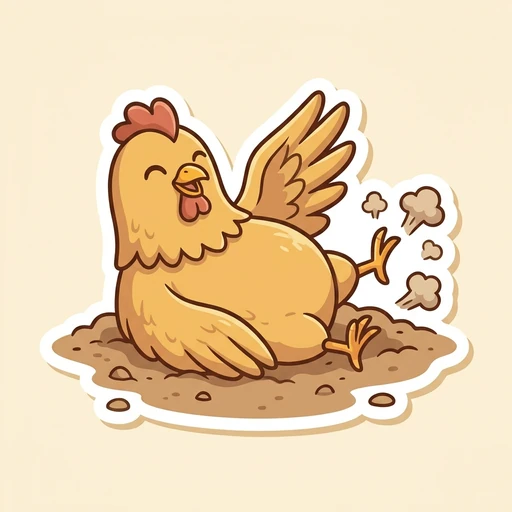
Once they are free in the run, expect them to hide indoors for a day, then discover dust bathing and never look back.
6. The first egg (~week 18–22)
Laying starts somewhere between 18 and 22 weeks for most breeds — earlier for production birds like Leghorns, considerably later for Silkies and other ornamentals.
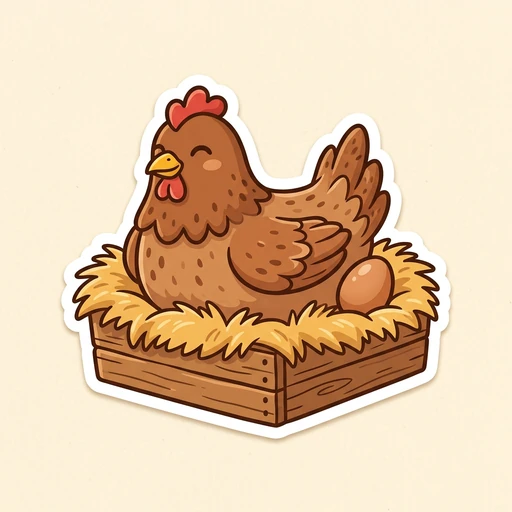
You get warning signs. The comb and wattles turn from pale pink to a bright red. The hen starts squatting when you reach toward her. And she begins investigating nest boxes with obvious suspicion.
What the first eggs look like
Small. Possibly weirdly shaped. Sometimes soft-shelled, sometimes with no yolk at all — these are "fairy eggs" and they are completely normal while the plumbing calibrates. Everything settles within a few weeks. The eggs page covers the strange ones in detail.
If they're not laying
- Under 22 weeks? Wait. This is by far the most common answer.
- Short days. Laying is triggered by daylight — around 14 hours of it. Birds coming to age in autumn often wait until spring.
- Wrong feed. They need layer feed with ~16% protein and calcium once they start. See feeding.
- Hidden nest. If they free-range, check under every shrub before assuming anything is wrong.
- Stress. A predator scare, a move, or a new bird will pause laying for days.
7. Adding birds later
"Chicken maths" is the joke that you will want more birds within a year. It is not really a joke.
Two rules make introductions survivable:
- Quarantine new birds for 2–4 weeks, physically separate, before they meet your flock. This is how you avoid importing mites, lice or respiratory disease into a healthy flock.
- Introduce through a fence. Let them see each other without contact for a week — "look, don't touch" — then merge at night by placing the newcomers on the roost after dark. Expect a week of squabbling as the pecking order re-forms. Intervene only if there is blood.
Never add a single bird alone. Add two or more so the newcomers have each other while they are bottom of the order.
8. What it actually costs
Rough, honest numbers for a starter flock of four hens. Currency-agnostic — treat these as relative weights rather than exact prices.
| Item | One-off | Ongoing |
|---|---|---|
| Coop + run (bought) | The largest single cost by far | — |
| Coop + run (built) | Roughly half of bought, plus a weekend | — |
| Day-old chicks ×4 | Low | — |
| Brooder kit (heat plate, feeder, waterer) | Low–medium | Reusable |
| Feed | — | ~50 kg per bird per year |
| Bedding | — | Monthly |
| Grit + oyster shell | — | Small, lasts months |
Backyard eggs are not cheaper than shop eggs once you account for the coop. They are better, and the birds are genuinely good company — but nobody has ever saved money on this hobby. The gear page covers what is worth buying and what is not.
You have birds. Now work out what goes in them — feeding and nutrition — and what the year ahead looks like in a year in the yard.