Quick facts
| Adult hen weight | About 5½ lb |
|---|---|
| Comb | Pea |
| Eggs per year | ~200 |
| Shell color | Blue |
| Temperament | Alert, independent |
| Cold hardiness | Excellent |
| Heat tolerance | Good |
About the Ameraucana
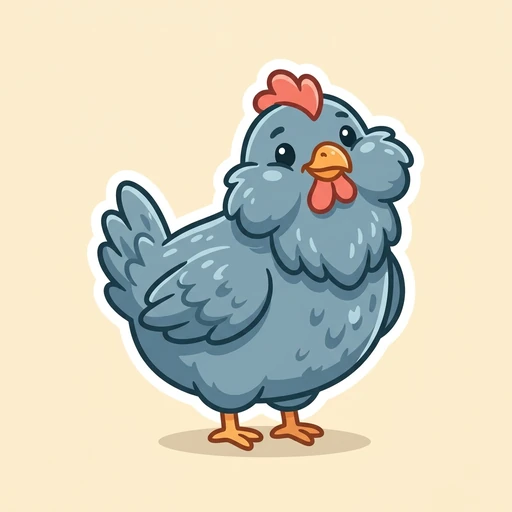
Lays genuinely blue eggs — blue all the way through the shell, not painted on. Fluffy cheek muffs, a beard, and a pea comb that shrugs off frost. Looks permanently surprised by your life choices. Note that many birds sold as "Ameraucana" are actually Easter Eggers.
Cold and heat tolerance
The Ameraucana is a true cold-weather bird. The small pea comb sits close to the head, so frostbite risk is low, and cheek muffs and a beard add some insulation. She does well from Maine to Montana as long as the coop is dry and ventilated.
She also handles warm weather reasonably. Her light build helps, but in the Deep South and Desert Southwest provide shade, airflow and extra water once temperatures pass 90 °F. She forages actively, which helps in mild climates.
Eggs and laying
Ameraucanas lay blue eggs, and the blue goes right through the shell. Expect roughly 150–200 medium eggs a year, a little fewer than the production brown-egg breeds, starting around 22–26 weeks. They are rarely broody. Many birds sold as Ameraucanas are actually Easter Eggers, so buy from a breeder if blue eggs matter.
Temperament and care
Ameraucanas are alert and independent. They are not especially cuddly and can be flighty, but they are usually not aggressive. They are active foragers and do well in a run with room to move. They fit into a mixed flock as a mid-ranked bird.
Who they're for
a rainbow in the egg basket. Every flock is a sitcom cast — the Ameraucana is the indie artist.
Ameraucana FAQ
Do Ameraucanas always lay blue eggs?
A true Ameraucana lays blue eggs. Many birds sold under that name are Easter Eggers and may lay green, pink or cream instead.
How many eggs do Ameraucanas lay?
About 150–200 medium eggs a year, a bit fewer than the top production breeds.
Are Ameraucanas good in winter?
Yes. The small pea comb resists frostbite, and the breed handles cold well.